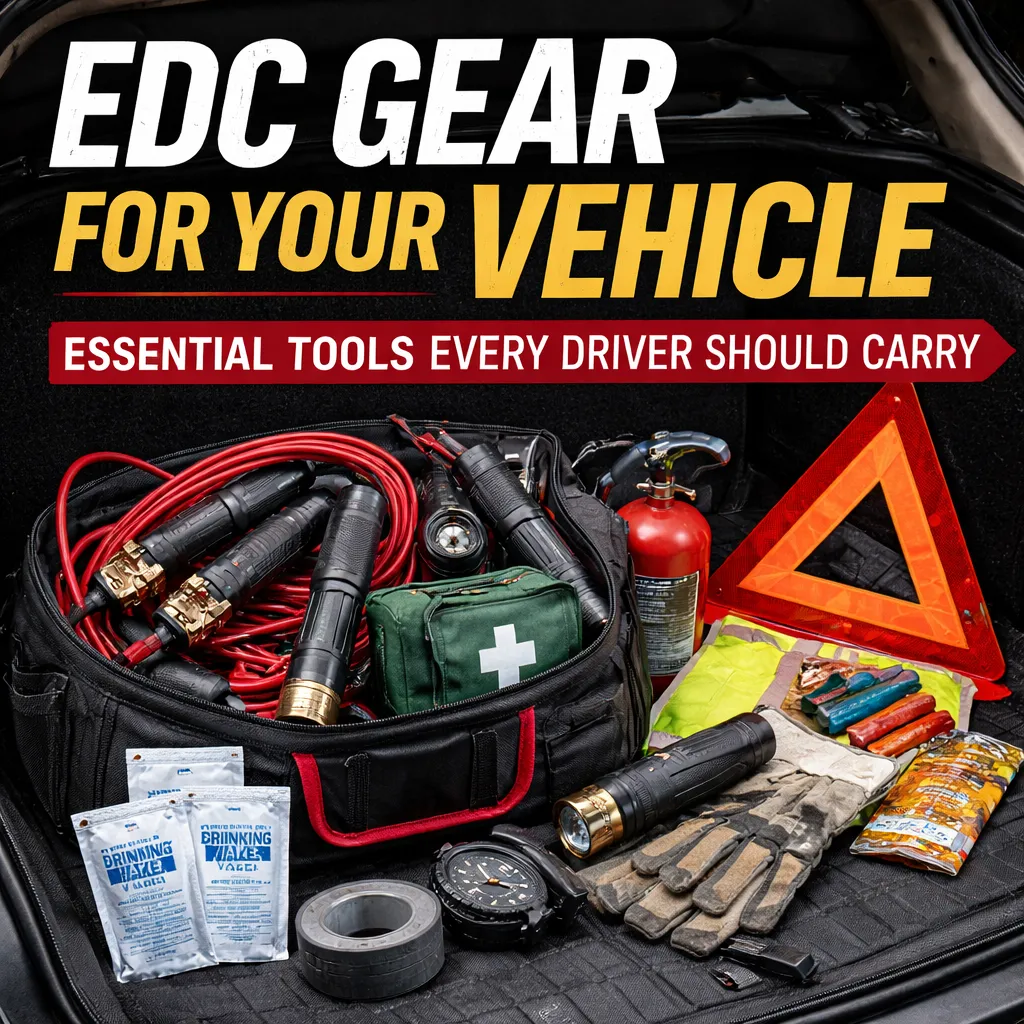
EDC Gear for Your Vehicle: Essential Tools Every Driver Should Carry
EDC Gear for Your Vehicle: Essential Tools Every Driver Should Carry


This post may contain affiliate links. If you purchase through these links, Freedom Gear Co may earn a small commission at no extra cost to you.
Introduction
Your vehicle is one of the most important places to stay prepared.
Whether you're commuting to work, traveling with family, or driving across town, unexpected problems can happen at any time. Flat tires, dead batteries, bad weather, accidents, and roadside emergencies occur every day.
Prepared drivers keep essential gear in their vehicles so they can handle problems safely and quickly.
This guide covers the essential EDC gear you should keep in your vehicle so you're ready for emergencies and unexpected situations on the road.
Why Vehicle Preparedness Matters
Many people focus on everyday carry items in their pockets, but your vehicle can carry much more gear that may be needed during emergencies.
Having the right tools in your vehicle allows you to:
Handle breakdowns
Stay safe during emergencies
Help others on the road
Deal with unexpected weather
Wait safely for assistance
A well-prepared vehicle can turn a stressful situation into a manageable one.
1. Jumper Cables or Portable Jump Starter
Dead batteries are one of the most common roadside problems.
Every vehicle should have jumper cables or a portable jump starter.
Jumper Cables
Pros:
Inexpensive
Reliable
Cons:
Requires another vehicle
Portable Jump Starter
Pros:
Works without another car
Often includes USB charging ports
Can power phones and electronics
Portable jump starters are becoming extremely popular because they provide independence during battery failures.
Recommended options:
2. Flashlight
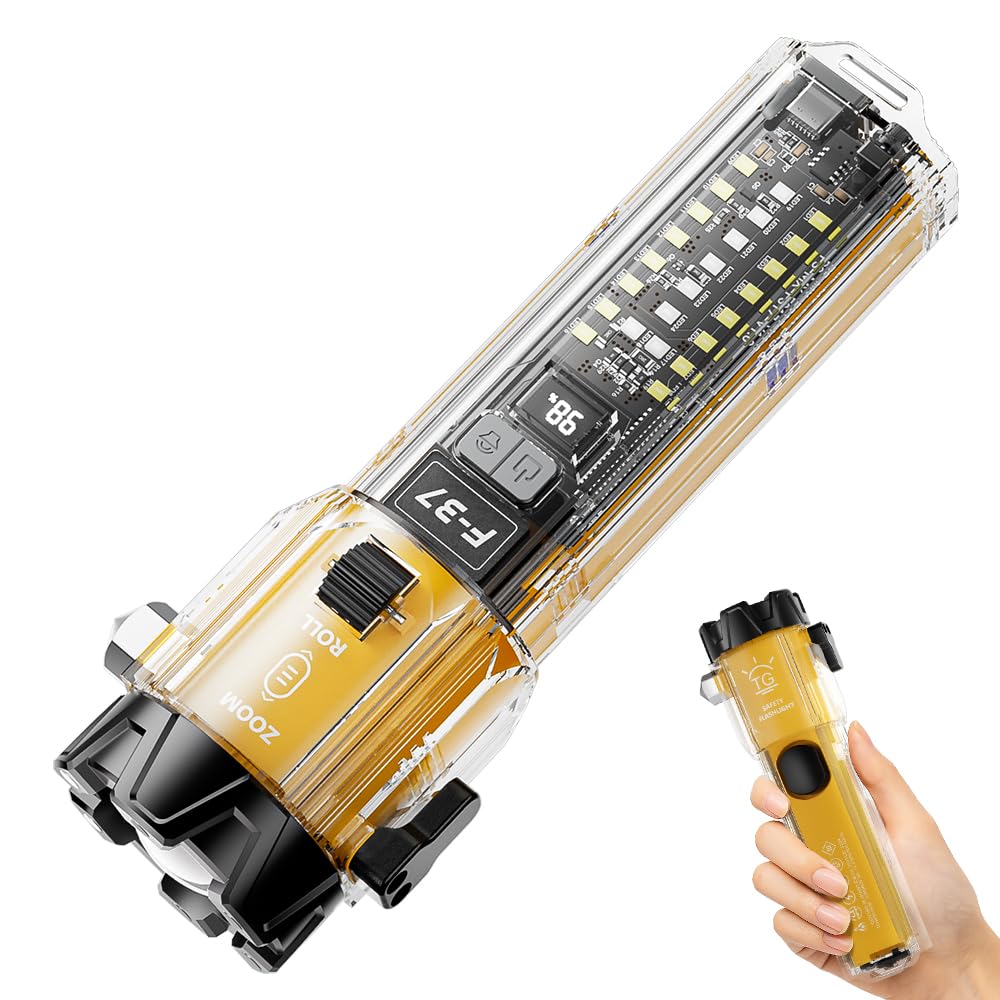

A flashlight is one of the most important tools you can keep in your vehicle.
Situations where a flashlight becomes critical include:
Nighttime breakdowns
Inspecting your engine
Searching your vehicle
Walking in dark areas
Choose a flashlight that is:
Bright (500+ lumens)
Durable
Rechargeable or long battery life
Recommended options:
If you're building a flashlight setup, see our guide on Best EDC Flashlights Under $100.
3. Emergency Medical Kit
A basic trauma or first aid kit is essential for every vehicle.
Car accidents happen quickly, and the first few minutes after an injury are critical.
A vehicle medical kit should include:
Gloves
Gauze
Pressure bandage
Tourniquet
Antiseptic wipes
Having basic medical supplies allows you to help yourself or others before emergency responders arrive.
Recommended options:
4. Portable Tire Inflator


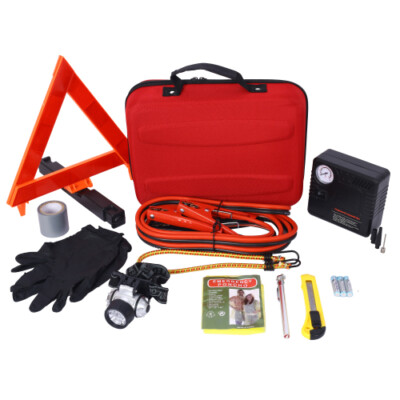
Low tire pressure is another common issue drivers face.
A portable tire inflator allows you to quickly refill tires without searching for a gas station.
Benefits include:
Fast tire inflation
Small and portable
Easy to use
Most inflators plug into your vehicle’s 12V outlet.
Recommended options:
5. Emergency Blanket
Emergency blankets help retain body heat in cold conditions.
They are extremely lightweight and compact but can be life-saving in severe weather situations.
Emergency blankets are useful for:
Winter breakdowns
Unexpected cold weather
Emergency shelter situations
They take up almost no space in your vehicle but provide valuable protection.
Recommended options:
6. Water and Emergency Food
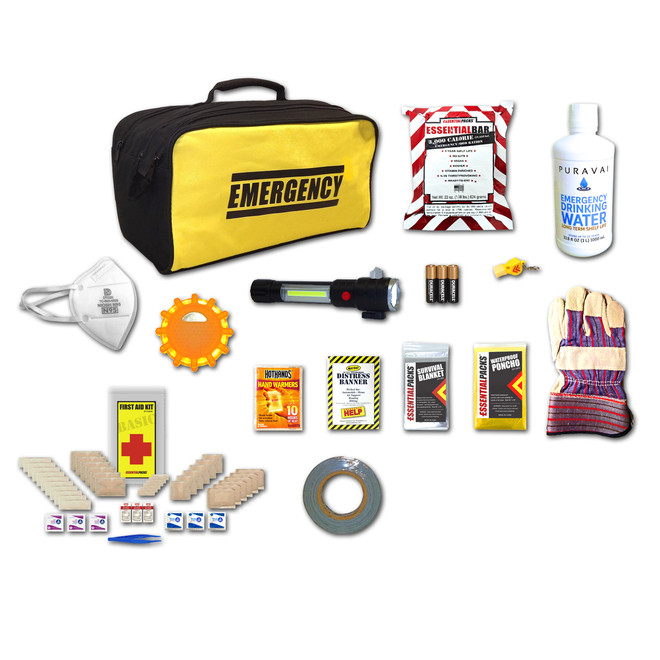
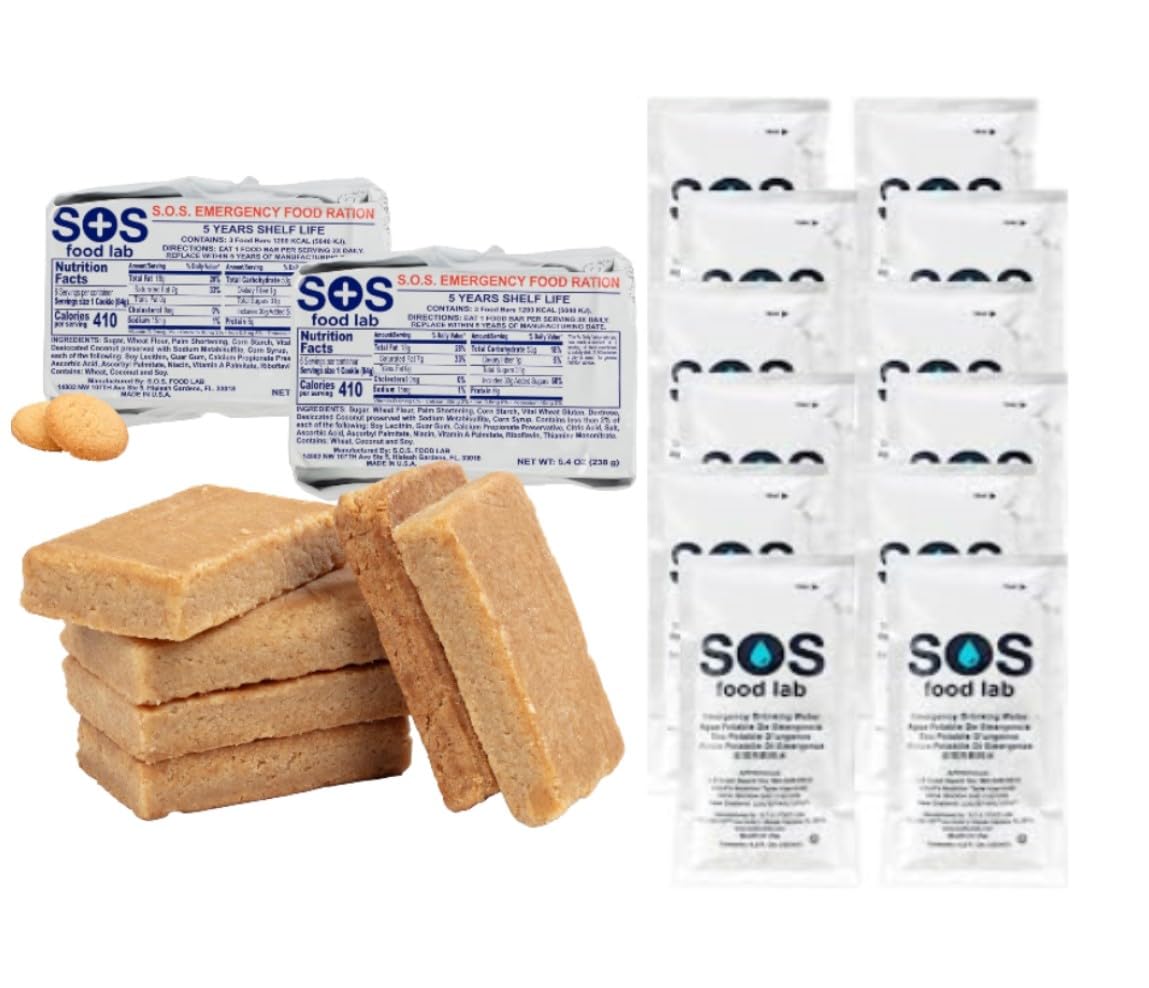

If you become stranded or delayed for long periods, having food and water can make a big difference.
Recommended items include:
Bottled water
Emergency water pouches
Energy bars
Long shelf-life survival food
These supplies are especially important for long road trips or remote travel.
Recommended options:
7. Phone Charger
Your phone is one of your most valuable emergency tools.
Make sure your vehicle includes:
Car phone charger
Backup charging cable
You may also consider keeping a portable battery pack in your vehicle.
Communication is critical during emergencies.
Recommended options:
8. Basic Tool Kit

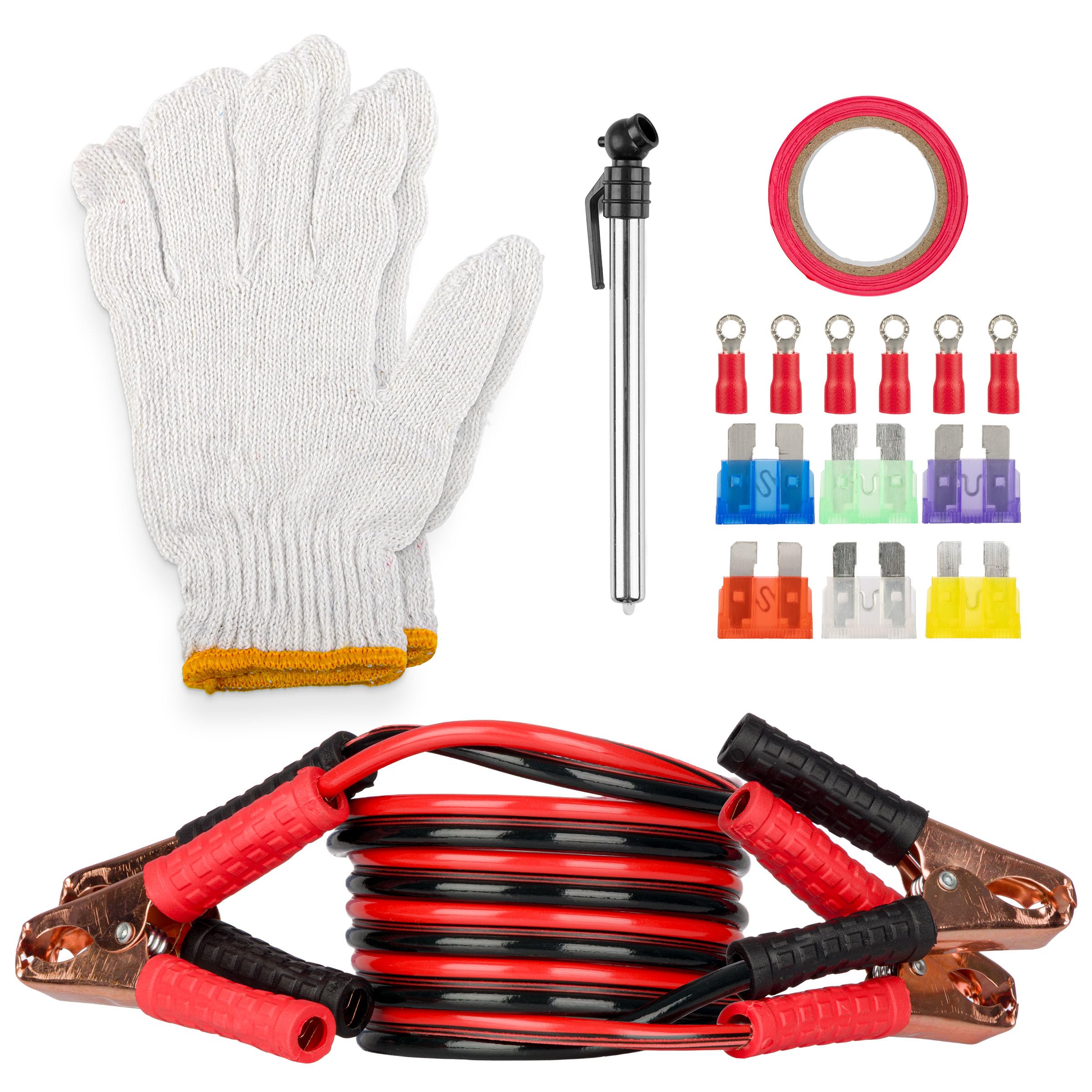

A small tool kit can help solve many minor problems.
Basic tools to keep in your vehicle include:
Screwdrivers
Adjustable wrench
Pliers
Utility knife
These tools are useful for quick repairs or adjustments.
Recommended options:
9. Roadside Safety Gear
Safety should always be your first priority during roadside emergencies.
Important safety items include:
Reflective warning triangle
Road flares
High-visibility vest
These items make you more visible to other drivers and reduce the risk of accidents.
Recommended options:
10. Fire Extinguisher
Vehicle fires are rare but dangerous.
A small automotive fire extinguisher allows you to respond quickly to small fires before they spread.
Choose a compact extinguisher designed for vehicle use.
Mount it securely inside your vehicle where it is easily accessible.
Recommended options:
How to Store Vehicle EDC Gear
The best way to store vehicle gear is in a dedicated emergency kit bag or container.
Good storage locations include:
Vehicle trunk
Rear cargo area
Under-seat storage
Organizing your gear ensures you can access it quickly during emergencies.
Complete Vehicle Emergency Kits
If you prefer a ready-made solution, these kits include many essential items in one package:
Recommended kits:
Final Thoughts
Vehicle preparedness is about planning ahead for unexpected situations.
Keeping essential gear in your car allows you to respond to breakdowns, accidents, and emergencies with confidence.
Start with the basics:
Jump starter
Flashlight
Medical kit
Tire inflator
Water and food
These simple tools can make a huge difference when problems arise on the road.
If you're building a complete preparedness system, you may also want to read:
These guides will help you build a complete everyday preparedness system.