Emergency Food and Water Storage: How Much You Really Need
Emergency Food and Water Storage: How Much You Really Need
This post may contain affiliate links. If you purchase through these links, Freedom Gear Co may earn a small commission at no extra cost to you.
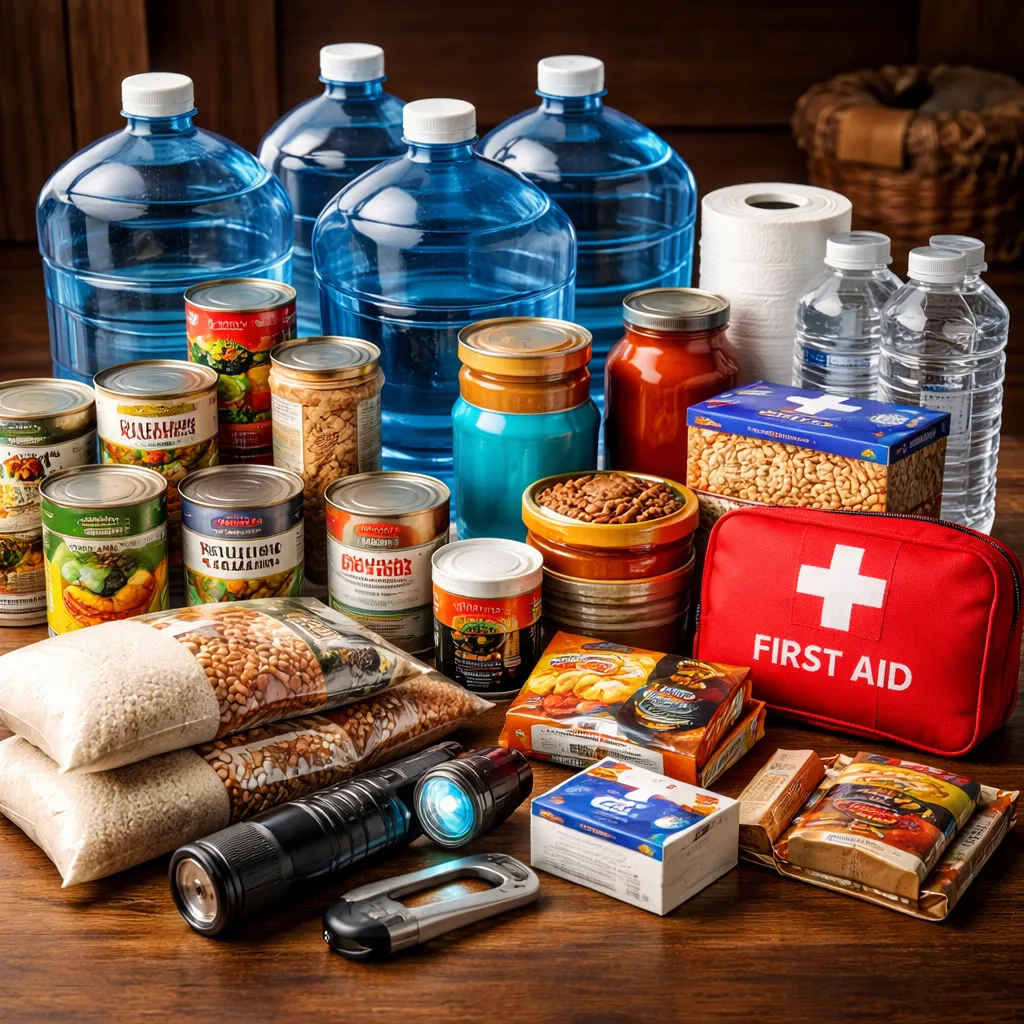
During emergencies, access to food and clean drinking water can quickly become limited. Severe weather events, natural disasters, or extended power outages can interrupt supply chains and make everyday essentials difficult to find.
Having a basic supply of emergency food and water ensures that you and your family can remain safe and comfortable during unexpected disruptions.
Preparedness isn't about fear. It's about planning ahead so small disruptions don’t become serious problems.
Why Emergency Food and Water Storage Matters
When disasters occur, grocery stores can empty quickly. Roads may become blocked and supply deliveries delayed.
A reliable emergency supply allows you to:
Stay hydrated during water disruptions
Maintain energy with dependable food sources
Avoid crowded stores during emergencies
Remain comfortable during power outages
Even a small supply can make a big difference.
Water is the most important survival resource during an emergency.
Preparedness experts recommend storing at least one gallon of water per person per day.
Basic recommendation:
3 days per person (minimum)
7–14 days preferred
Cooking
Basic hygiene
Medical needs
Best Ways to Store Emergency Water
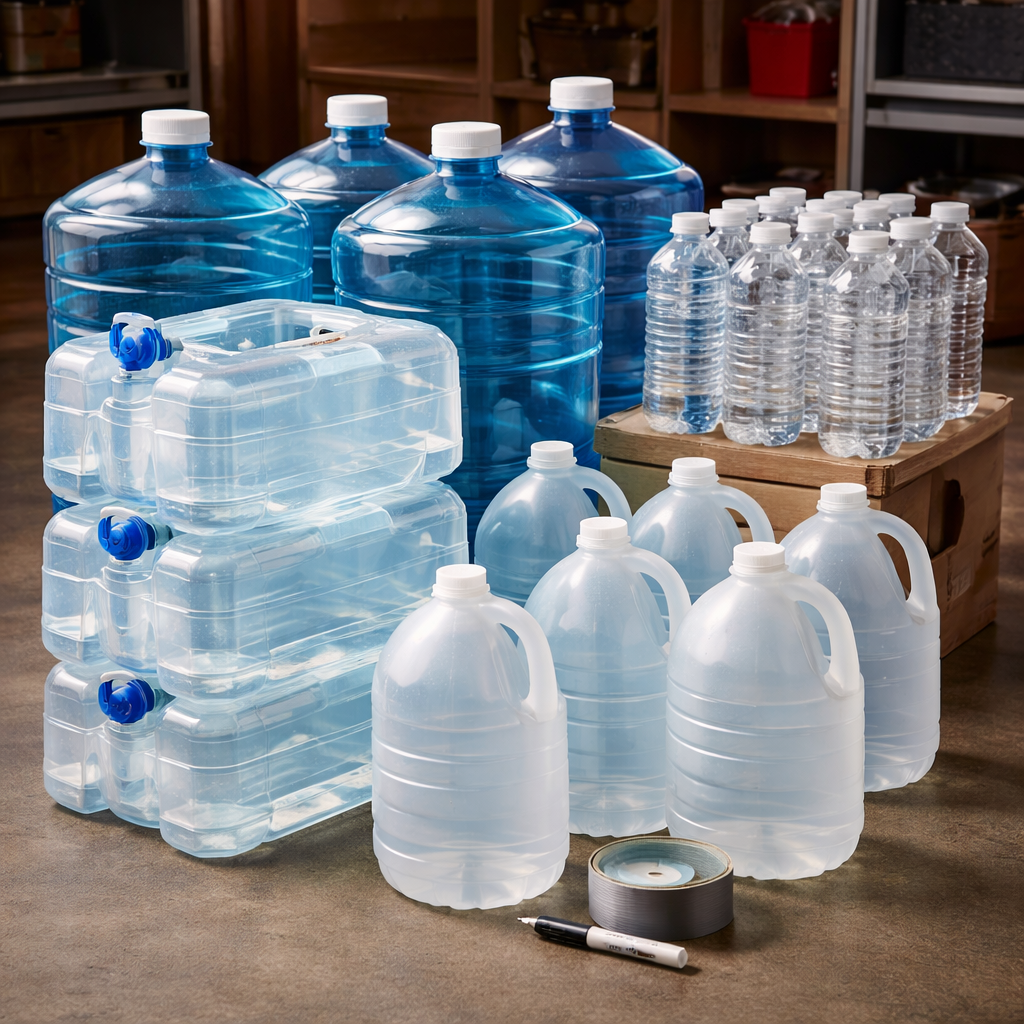
Reliable water storage options include:
Sealed bottled water
Food-grade water containers
Stackable water storage jugs
Large water storage tanks
Helpful tips:
Store water in cool, dark locations
Rotate stored water every 6–12 months
Clearly label containers with storage dates
Emergency Food Storage Basics
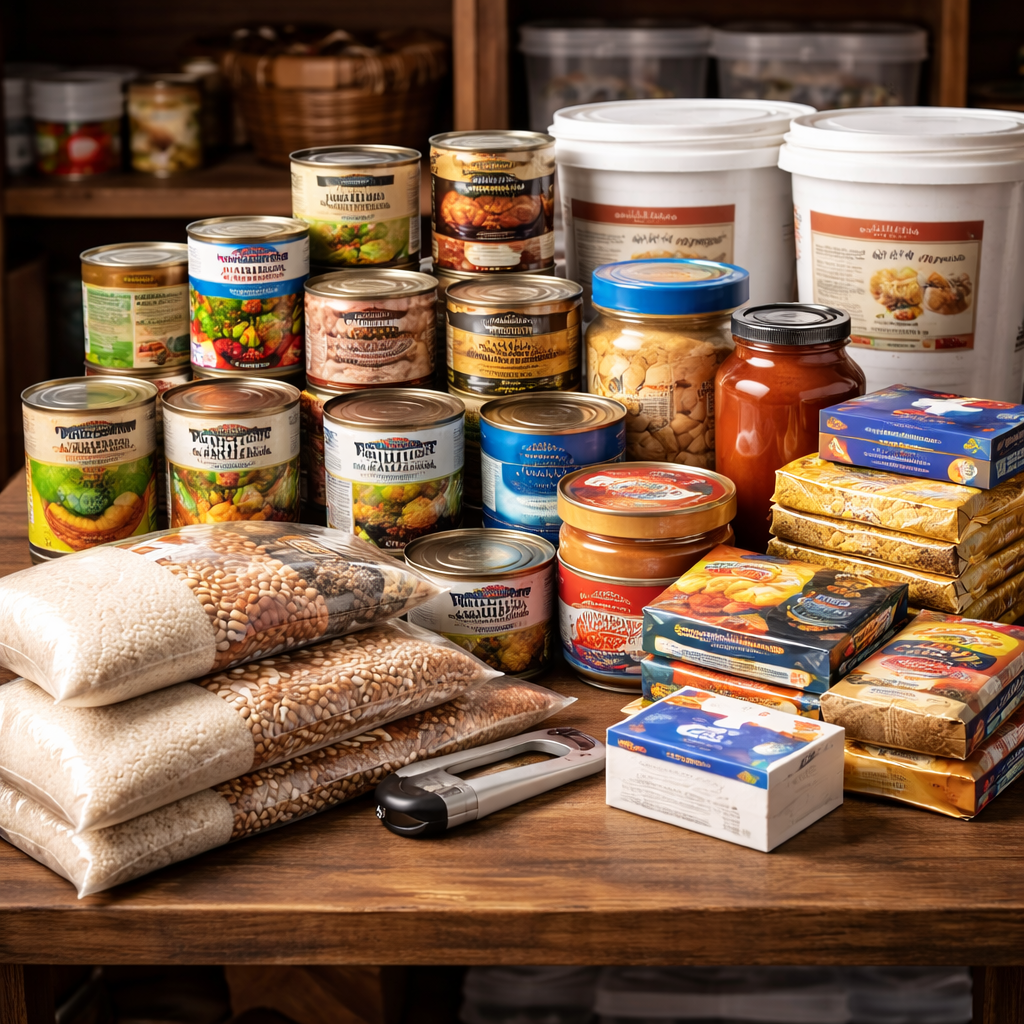
Emergency food should be non-perishable, easy to prepare, and calorie dense.
Common emergency food supplies include:
Canned vegetables and meats
Rice and beans
Peanut butter
Pasta
Energy bars
Freeze-dried emergency meals
These foods are inexpensive and store well.
Foods That Store the Longest
Some foods can remain usable for years when stored properly.
Examples include:
White rice
Dried beans
Oats
Freeze-dried foods
Dehydrated meals
Store food in cool, dry environments to extend shelf life.
Additional Supplies to Include
Your emergency food supply should also include:
Manual can opener
Disposable utensils
Portable cooking equipment
Trash bags
Basic sanitation supplies
These items make preparing food much easier during emergencies.
Where to Store Emergency Supplies
Emergency food and water should be stored in locations that are:
Cool
Dry
Easy to access
Common storage locations include:
Pantry shelves
Basements
Garage storage racks
Emergency preparedness bins
Some families also keep smaller emergency kits in vehicles.
Related Preparedness Guides
Final Thoughts
Building an emergency supply of food and water does not require complicated planning or expensive equipment. Even a small amount of preparation can provide peace of mind during uncertain situations.
Preparedness allows you to respond calmly when others may be scrambling for supplies.
The best time to prepare is before an emergency happens.