Best IFAK and EDC Trauma Kits of 2026: Stop the Bleed Every Day
This post may contain affiliate links. If you purchase through these links, Freedom Gear Co may earn a small commission at no extra cost to you.
Best IFAKs and EDC Trauma Kits of 2026 (Complete Guide)

Bleeding is the number one preventable cause of death in traumatic emergencies. Car accidents, workplace injuries, violent encounters, and natural disasters can all cause severe bleeding that becomes life-threatening in minutes. An IFAK puts the tools to stop that bleeding directly in your hands. In this guide, we cover the best IFAKs and EDC trauma kits of 2026.
What is an IFAK?
IFAK stands for Individual First Aid Kit. Originally developed for military use, the IFAK is a compact trauma kit designed to address life-threatening injuries — primarily severe bleeding and airway obstruction — in the critical minutes before professional medical care arrives. Unlike standard first aid kits focused on minor injuries, an IFAK is built for worst-case scenarios.
Why Every EDC Carrier Should Have One


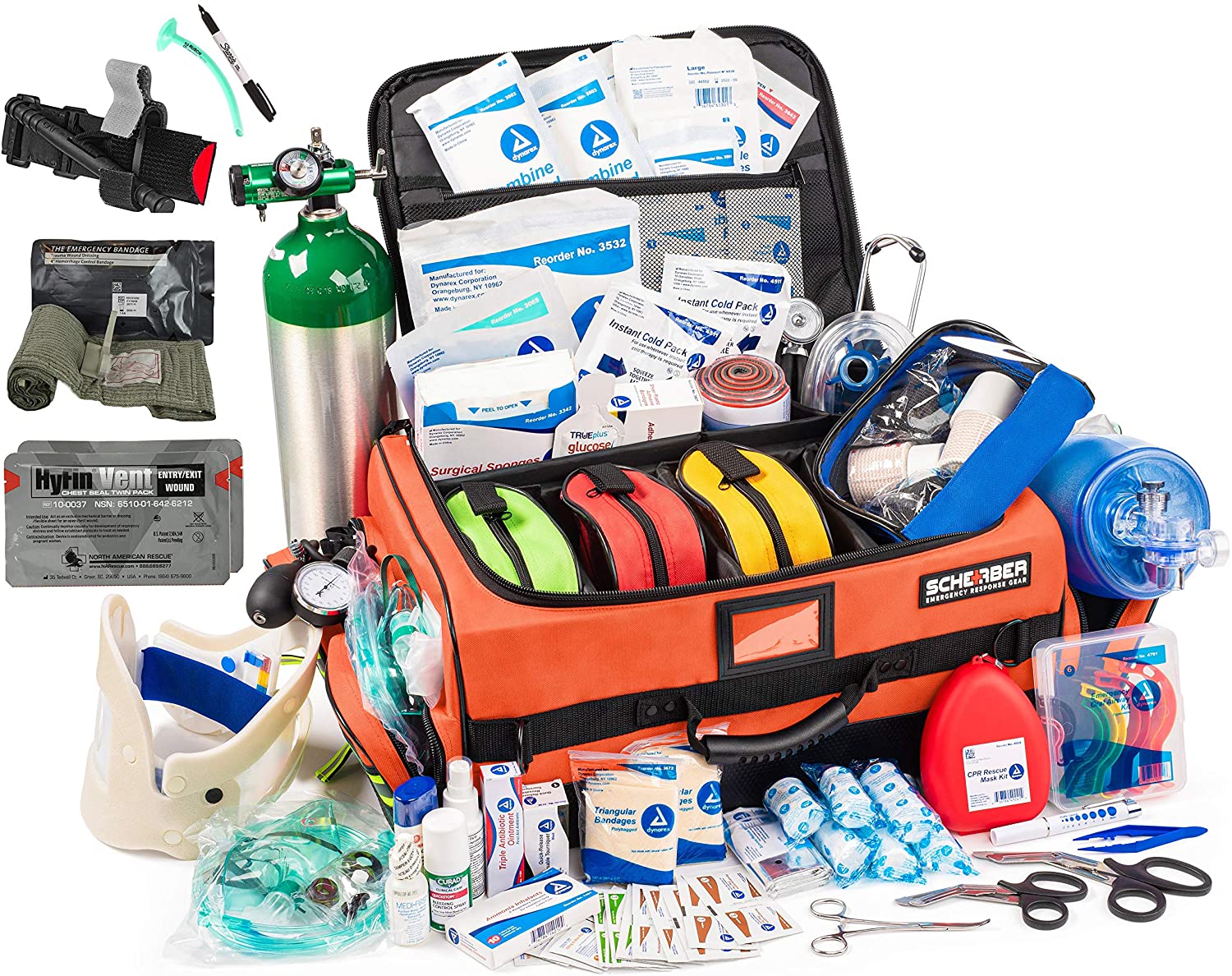
Severe bleeding can become life-threatening in as little as 3-5 minutes. The average EMS response time in the US is 7-10 minutes. That gap is where an IFAK saves lives. Whether you carry concealed, work in a high-risk profession, spend time outdoors, or simply want to be prepared, an IFAK closes that critical gap.
👉 If you're serious about everyday readiness, start with your full setup here:
→ Read next: Ultimate Everyday Carry (EDC) List: 100+ Essential Items
What Should Be in an IFAK?

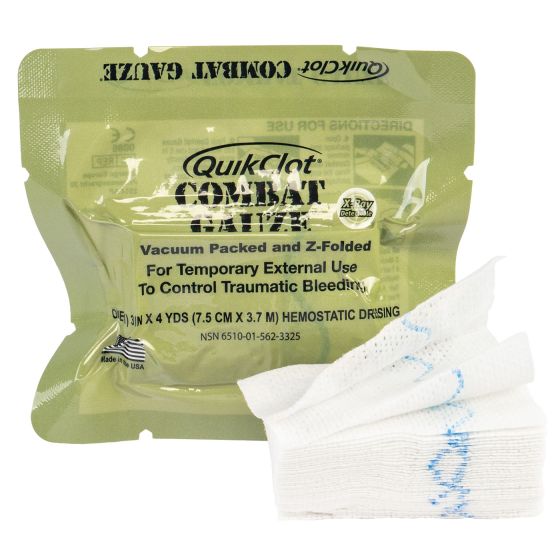

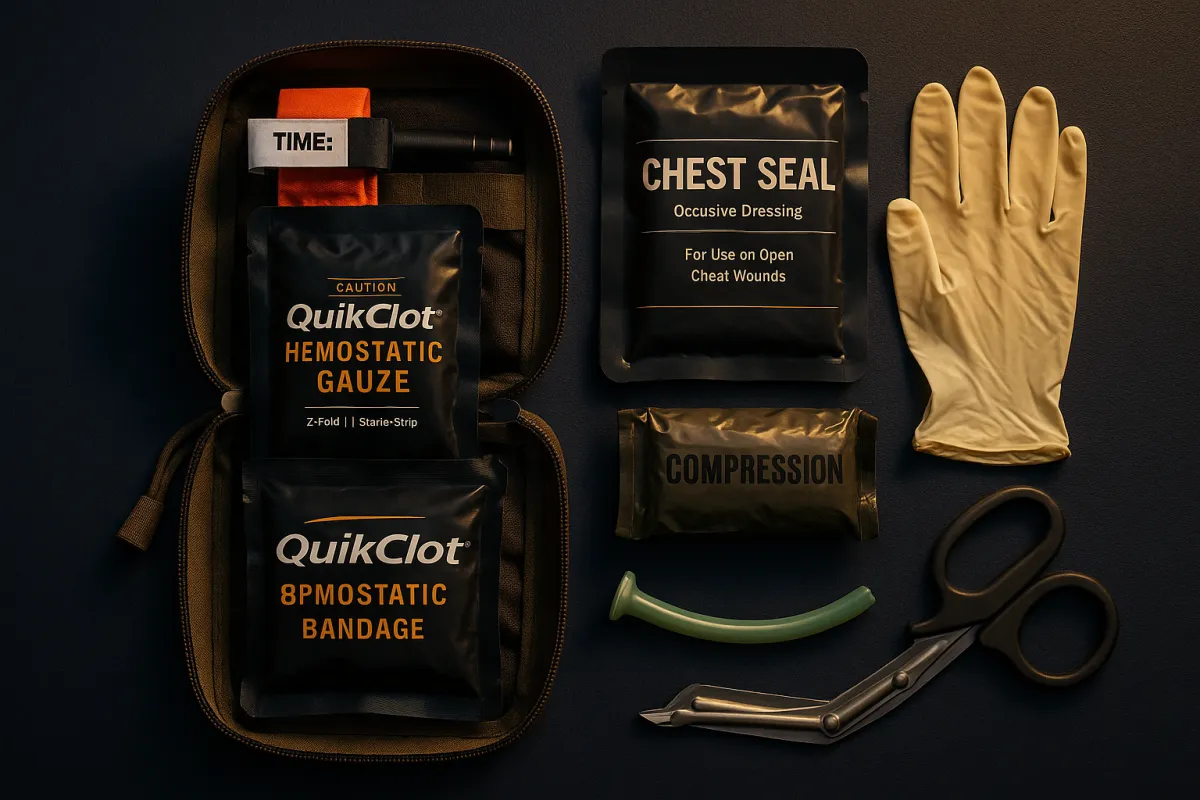
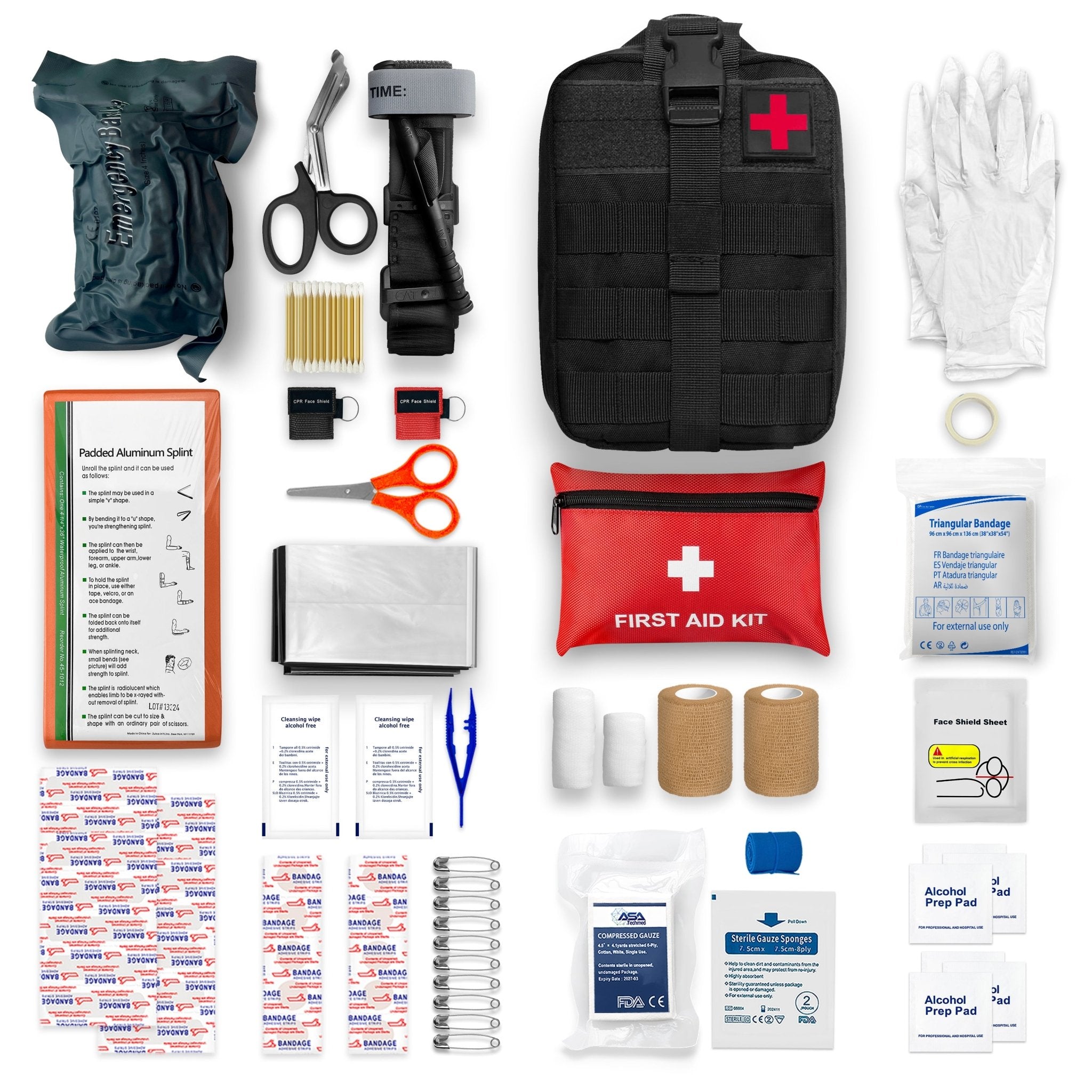
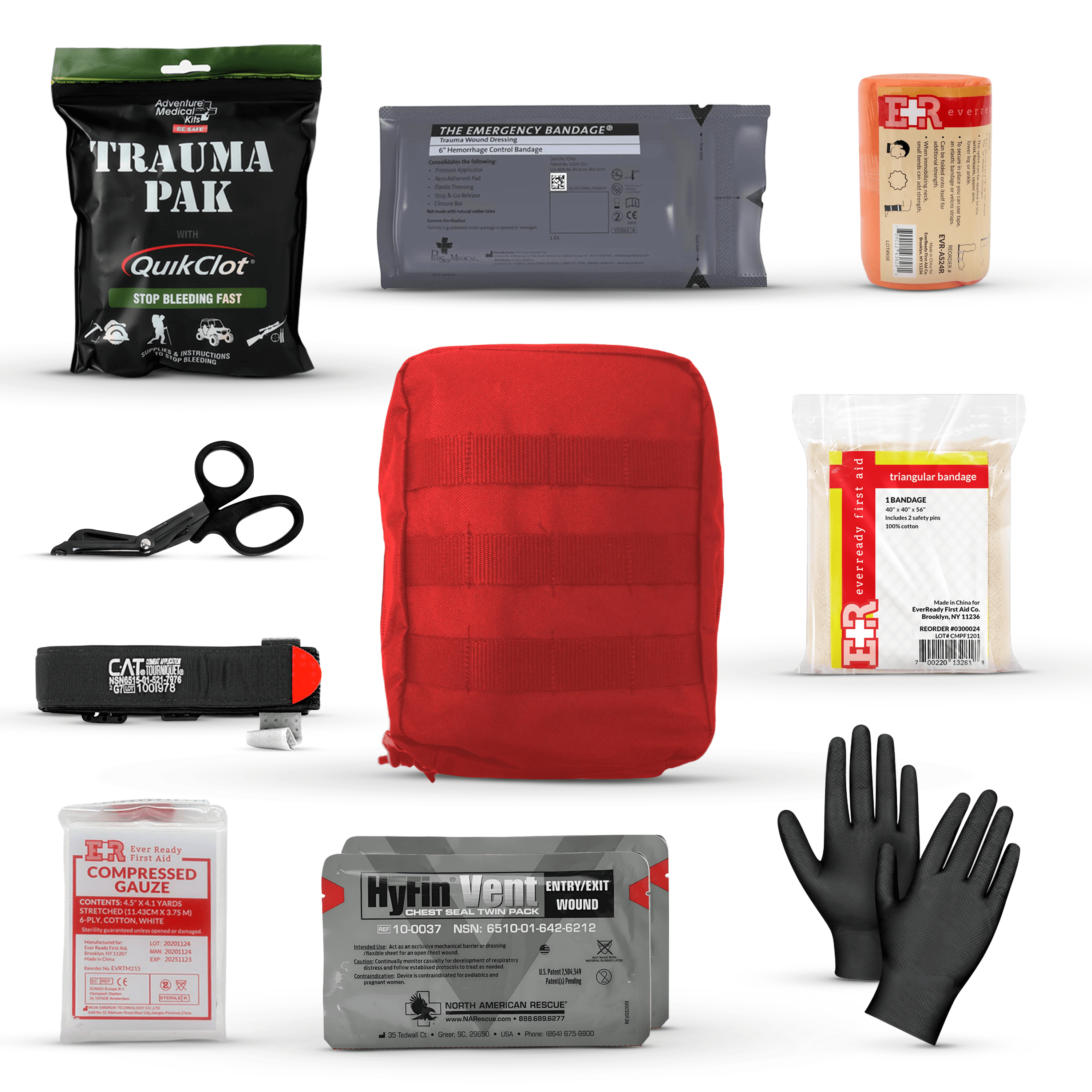
Tourniquet: For extremity bleeding. CAT or SOFTT-W are the gold standards.
👉 Recommended: CAT Gen 7 Tourniquet (North American Rescue)
Hemostatic gauze: Combat Gauze or ChitoGauze for packing wounds.
👉 Recommended: QuikClot Combat Gauze LE
Pressure bandage: Israeli bandage for large wound coverage.
👉 Recommended: Israeli Emergency Bandage 6-inch
Chest seals: Vented chest seals for penetrating chest wounds.
👉 Recommended: HyFin Vent Compact Chest Seal Twin Pack
Nasopharyngeal airway (NPA): For managing airway in unconscious patients.
👉 Recommended: NAR Nasopharyngeal Airway Kit
Trauma shears: For cutting away clothing quickly.
👉 Recommended: 7.5" EMT Trauma Shears
Nitrile gloves: At least 2 pairs.
Permanent marker: For marking tourniquet application time.
👉 Want to build your own kit from scratch?
→ Read next: Beginner Emergency Preparedness Kit: The Essential Supplies Every Family Needs
Best IFAKs and EDC Trauma Kits of 2026
Best Overall: North American Rescue Individual First Aid Kit

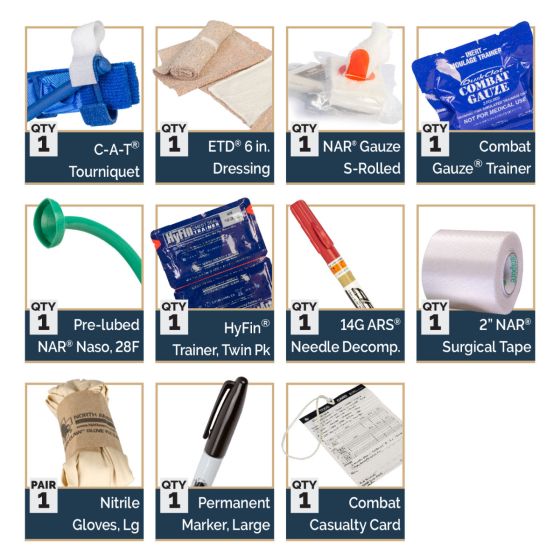
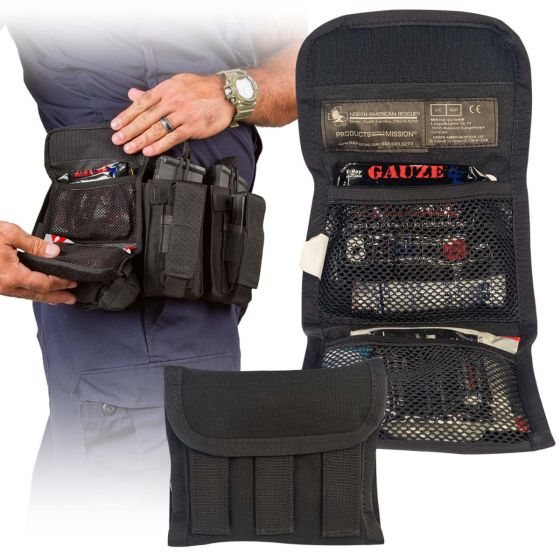
NAR builds the kits used by US military and law enforcement. Every component is purpose-selected for real trauma management. The MOLLE-compatible pouch provides fast one-hand access and mounts anywhere on a belt, bag, or plate carrier.
Includes: CAT tourniquet, combat gauze, pressure bandage, chest seals, NPA
Pouch: MOLLE-compatible, rip-away
Used by: US military and law enforcement
👉 Check Price on Amazon (North American Rescue IFAK)
Best Wallet Kit: MyMedic TFAK Wallet
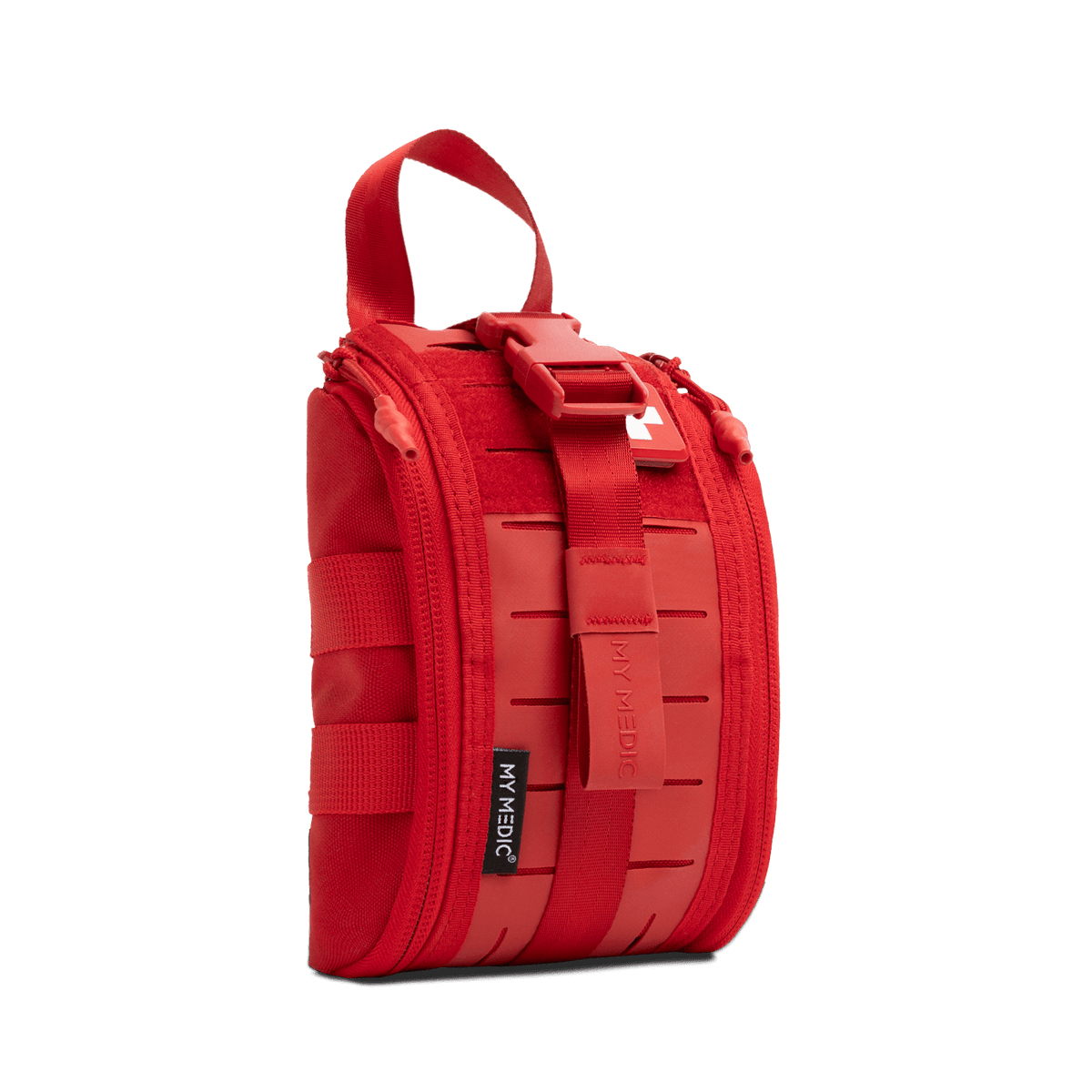


The MyMedic TFAK packs genuine trauma capability into a wallet-sized form factor. It includes a tourniquet, hemostatic gauze, and a pressure bandage. For EDC carriers who want the minimum viable trauma kit on their person at all times, this is it.
Includes: Mini tourniquet, hemostatic gauze, pressure dressing
Size: Wallet-sized
Carry: Pocket, bag, or vehicle glove box
👉 Check Price on Amazon (MyMedic TFAK Wallet)
Best Full-Size Kit: Blue Force Gear Trauma Kit NOW
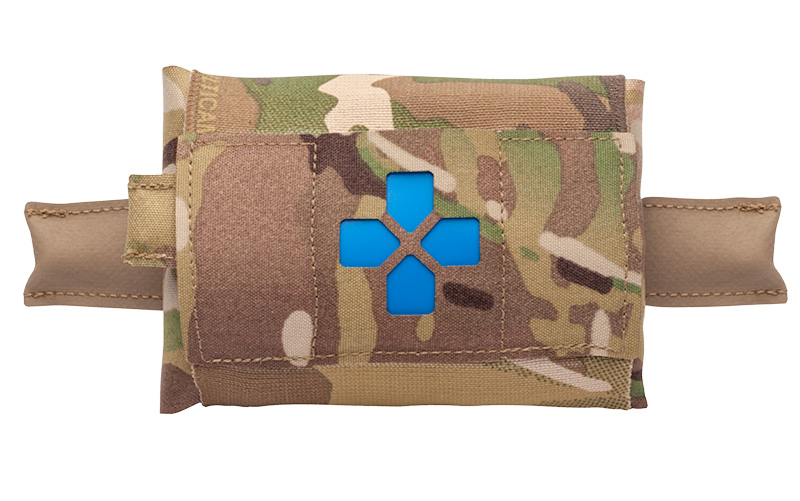

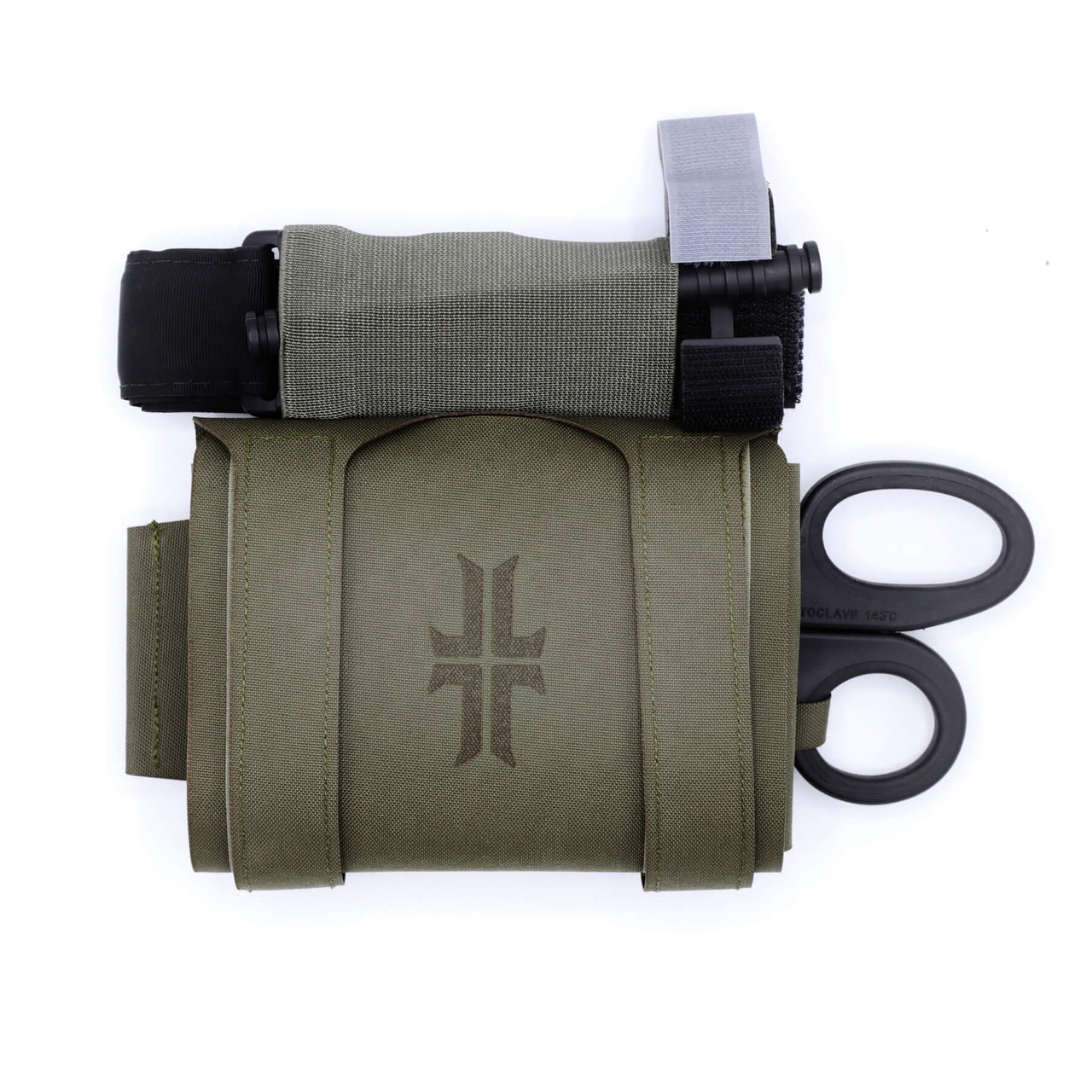
The Blue Force Gear TKN is built for rapid one-hand deployment in high-stress situations. The elastic bungee retention system keeps everything organized but accessible instantly. It fits on a belt, MOLLE vest, or the outside of a bag.
👉 Check Price on Amazon (Blue Force Gear Trauma Kit NOW)
Best Budget IFAK: Surviveware Small First Aid Kit


A quality entry-level trauma-capable kit that covers the basics at an affordable price. Good for everyday carry in a backpack or vehicle as a first layer of medical response.
👉 Check Price on Amazon (Surviveware Small First Aid Kit)
Where to Carry Your IFAK


On your belt: The most accessible location. MOLLE-compatible pouches clip directly to a gun belt or regular belt.
In your bag or backpack: Keep it in an exterior pocket for fast access.
In your vehicle: A full-size IFAK in your center console is accessible for vehicle accidents and other emergencies.
At your desk at work: Workplace accidents and active threats can happen anywhere.
👉 Build out your vehicle setup here:
→ Read next: EDC Gear for Your Vehicle: Essential Tools Every Driver Should Carry
Get Trained
Owning an IFAK without knowing how to use it limits its value. We strongly recommend taking a Stop the Bleed course or a TCCC class. These are free or low-cost and give you the skills to use your kit when seconds count. Find a class at stopthebleed.org.
Final Thoughts

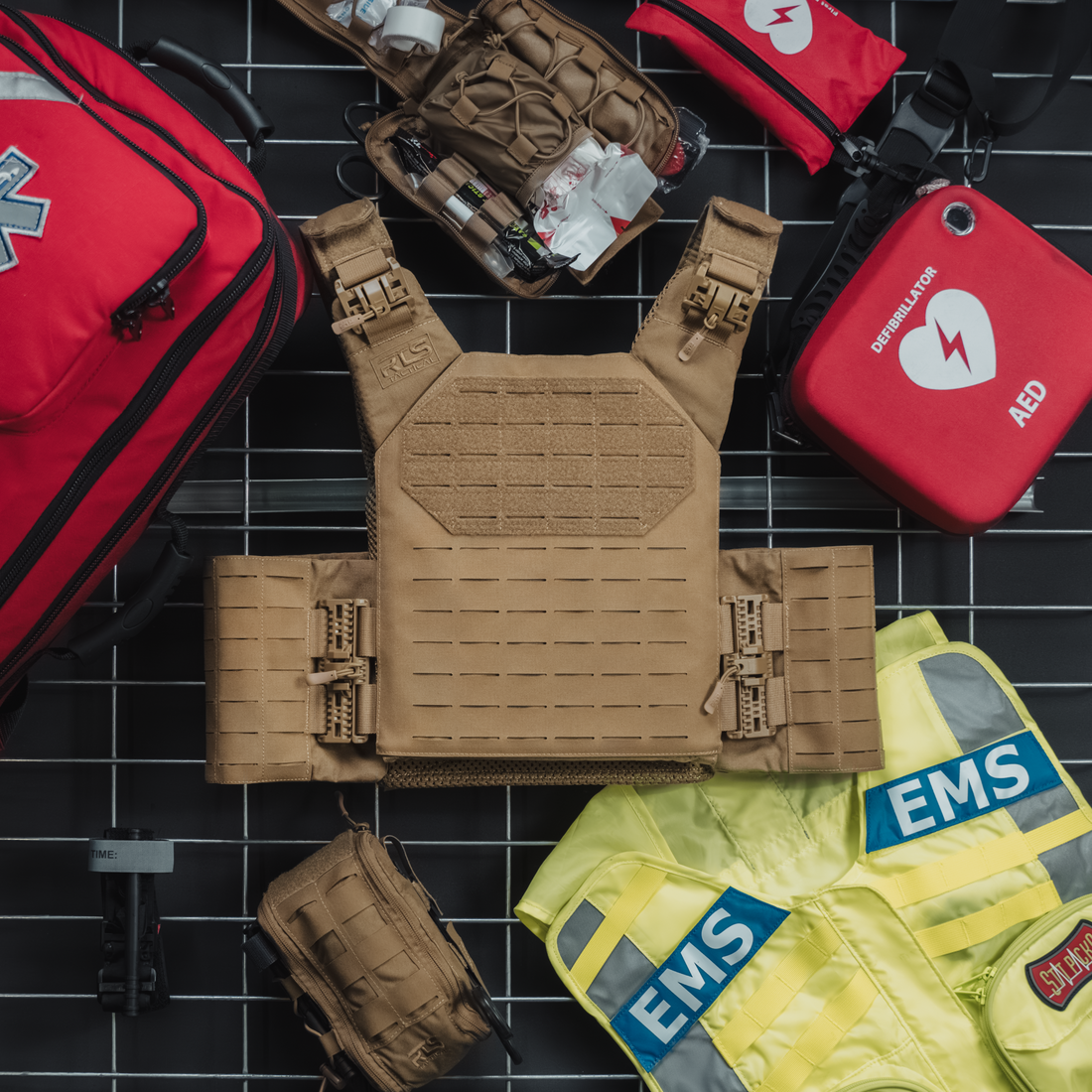
An IFAK is the most important piece of gear most people never carry. Car accidents, violent encounters, and workplace injuries can happen to anyone, anywhere, without warning. A quality IFAK on your belt or in your bag closes the gap between injury and help arriving.
Stay prepared. Stay ready. Stay free. — Freedom Gear Co