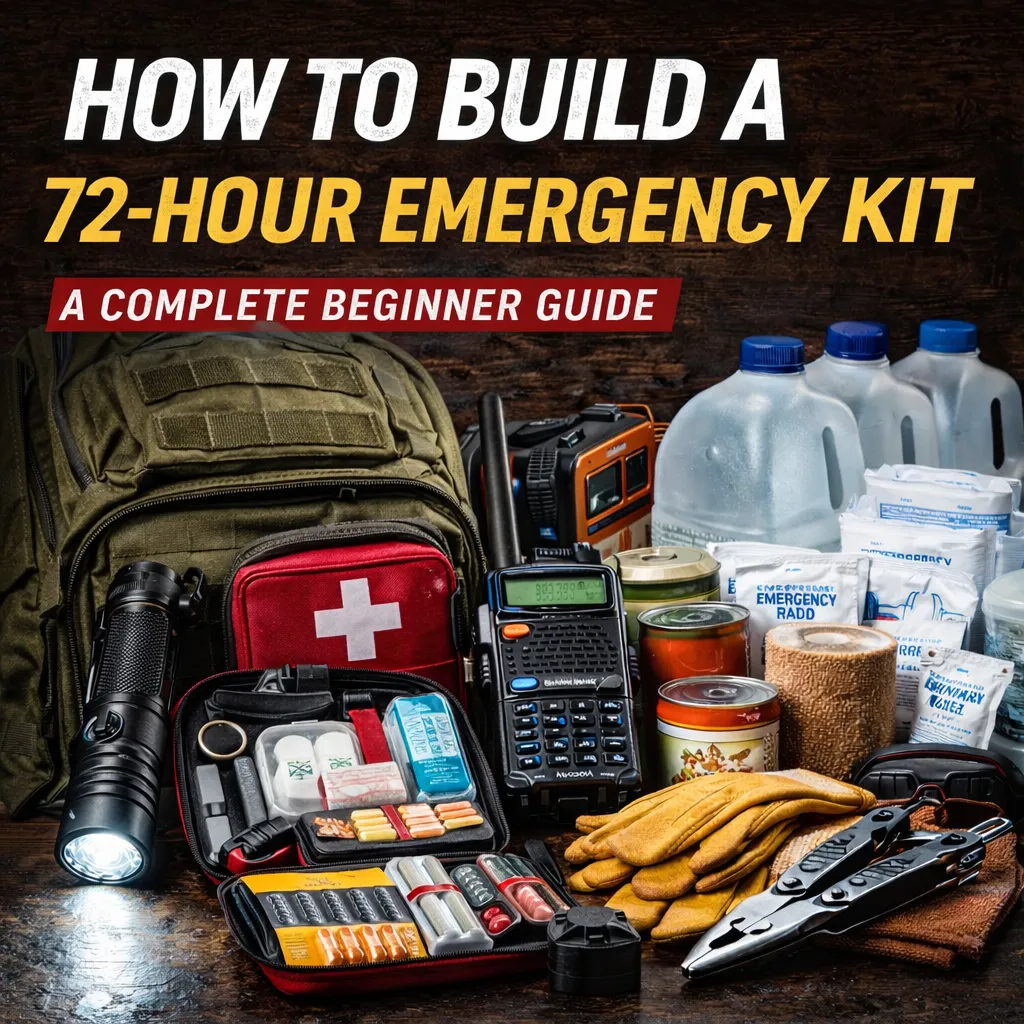
How to Build a 72-Hour Emergency Kit: A Complete Beginner Guide
How to Build a 72-Hour Emergency Kit: A Complete Beginner Guide


This post may contain affiliate links. If you purchase through these links, Freedom Gear Co may earn a small commission at no extra cost to you.
Emergencies rarely give advance warning.
Storms, power outages, natural disasters, and unexpected events can disrupt normal life quickly. When this happens, having essential supplies already prepared can make a huge difference.
One of the most recommended preparedness steps is building a 72-hour emergency kit, sometimes called a bug-out bag or emergency supply kit.
This kit contains the supplies needed to support yourself or your family for three days without outside help.
If you're new to preparedness, you may also want to start with Beginner’s Guide to Preparedness: How to Start Being Ready Today, which explains the basic layers of preparedness.
Want a complete breakdown of preparedness gear?
Start here → Preparedness Gear Guide
Why a 72-Hour Kit Matters
Emergency responders often recommend being prepared for at least three days after a disaster.
During that time you may experience:
• Power outages
• Limited transportation
• Delayed emergency services
• Closed stores
A properly built emergency kit helps you stay safe while normal services are restored.
Many people also keep emergency gear in their vehicles. If you want to prepare your car as well, see EDC Gear for Your Vehicle: Essential Tools Every Driver Should Carry.
Step 1: Water Supplies


Water is the most important survival supply.
Preparedness experts typically recommend one gallon of water per person per day.
For a 72-hour emergency kit, that means:
• 3 gallons per person
Water can be stored using:
• Bottled water
• Water storage containers
• Emergency water pouches
Recommended Water Storage Options:
LifeStraw Personal Water Filter (backup option)
If you want a deeper guide to storing water and food safely, read Emergency Food and Water Storage: How Much You Really Need.
Step 2: Emergency Food


Emergency food should be:
• Non-perishable
• Easy to prepare
• Long shelf life
Common choices include:
• Energy bars
• Canned foods
• Freeze-dried meals
• Ready-to-eat survival rations
Choose foods that require minimal cooking or preparation.
Recommended Emergency Food Options:
Ready America 72-Hour Food Kit (budget)
Mountain House Freeze-Dried Meals (best quality)
SOS Emergency Ration Bars (long shelf life)
Step 3: Lighting and Power


Power outages are common during emergencies.
Your kit should include reliable lighting such as:
• Flashlight
• Extra batteries
• Emergency radio
Recommended Lighting Gear:
Streamlight ProTac HL-X (best overall)
GearLight LED Flashlight (budget)
Emergency Hand Crank Radio (light + power combo)
Flashlights are one of the most useful preparedness tools. If you're looking for reliable options, see Best EDC Flashlights Under $100.
Flashlights are also a core part of everyday carry systems. For more gear ideas, read The Ultimate EDC Gear List for Men.
Step 4: First Aid Supplies
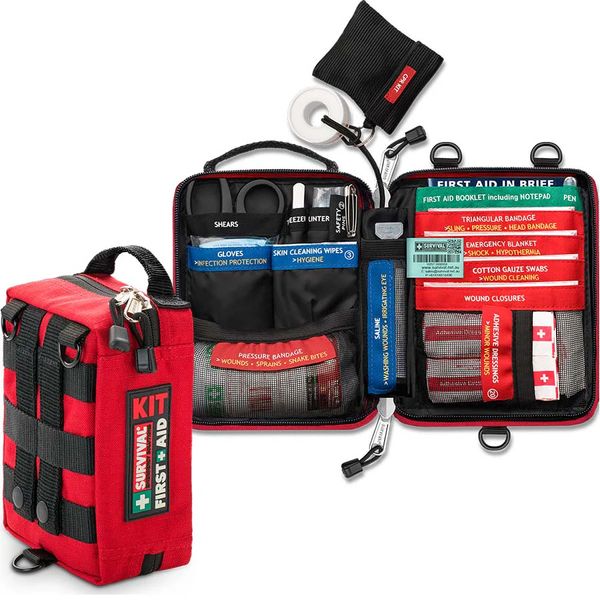


Medical supplies are critical during emergencies.
A basic first aid kit should include:
• Bandages
• Gauze
• Antiseptic wipes
• Gloves
• Pain relief medication
More advanced kits may include:
• Tourniquet
• Pressure bandage
Recommended First Aid Kits:
MyMedic MyFAK (premium option)
EVERLIT Emergency Trauma Kit (budget option)
If you're building a full preparedness system, see Beginner Emergency Preparedness Kit: The Essential Supplies Every Family Needs.
Step 5: Tools and Utility Items
Your emergency kit should also include basic tools.
Useful tools include:
• Multitool
• Duct tape
• Work gloves
• Emergency blanket
• Lighter or fire starter
Recommended Utility Tools:
Many of these tools are also part of everyday carry systems. See 10 EDC Items Every Prepared Man Should Carry for additional gear ideas.
Build Your Emergency Kit Faster
If you're starting from scratch, focus on these first:
Water supply
Flashlight
First aid kit
Learn more:
Where to Store Your Emergency Kit
Your emergency kit should be stored somewhere easy to access quickly.
Common locations include:
• Closet near the front door
• Garage storage shelf
• Emergency backpack
Some people also keep smaller emergency kits in their vehicles for travel.
Final Thoughts
Building a 72-hour emergency kit is one of the simplest and most effective preparedness steps you can take.
Start small and build your kit over time.
Focus on the essentials:
• Water
• Food
• Lighting
• Medical supplies
• Basic tools
Preparedness is not about fear. It is about being ready when unexpected situations arise.
Build Your Complete Preparedness System:
• Beginner’s Guide to Preparedness: How to Start Being Ready Today
• Beginner Emergency Preparedness Kit: The Essential Supplies Every Family Needs
• Emergency Food and Water Storage: How Much You Really Need
• EDC Gear for Your Vehicle: Essential Tools Every Driver Should Carry
• The Ultimate EDC Gear List for Men