
Being prepared for an emergency isn't optional — it's essential.
Power outages, natural disasters, medical emergencies, civil unrest — life can change in minutes. The people who come through these situations best aren't the luckiest. They're the most prepared.
This guide covers everything you need to build a solid emergency preparedness foundation — without spending a fortune.
Why Preparedness Matters
Most people assume emergency services will always be available.
But in a real crisis, help can be delayed by hours or even days.
When you're prepared, you can:
Keep your family safe during a crisis
Meet your basic needs without outside help
Stay calm while others panic
Help your neighbors and community

Start Here — The Beginner's Guide
Never prepared before? Start with the basics.
→ Beginner's Guide to Emergency Preparedness
New to building an emergency kit?
→ Beginner Emergency Preparedness Kit
Your 72-Hour Emergency Kit
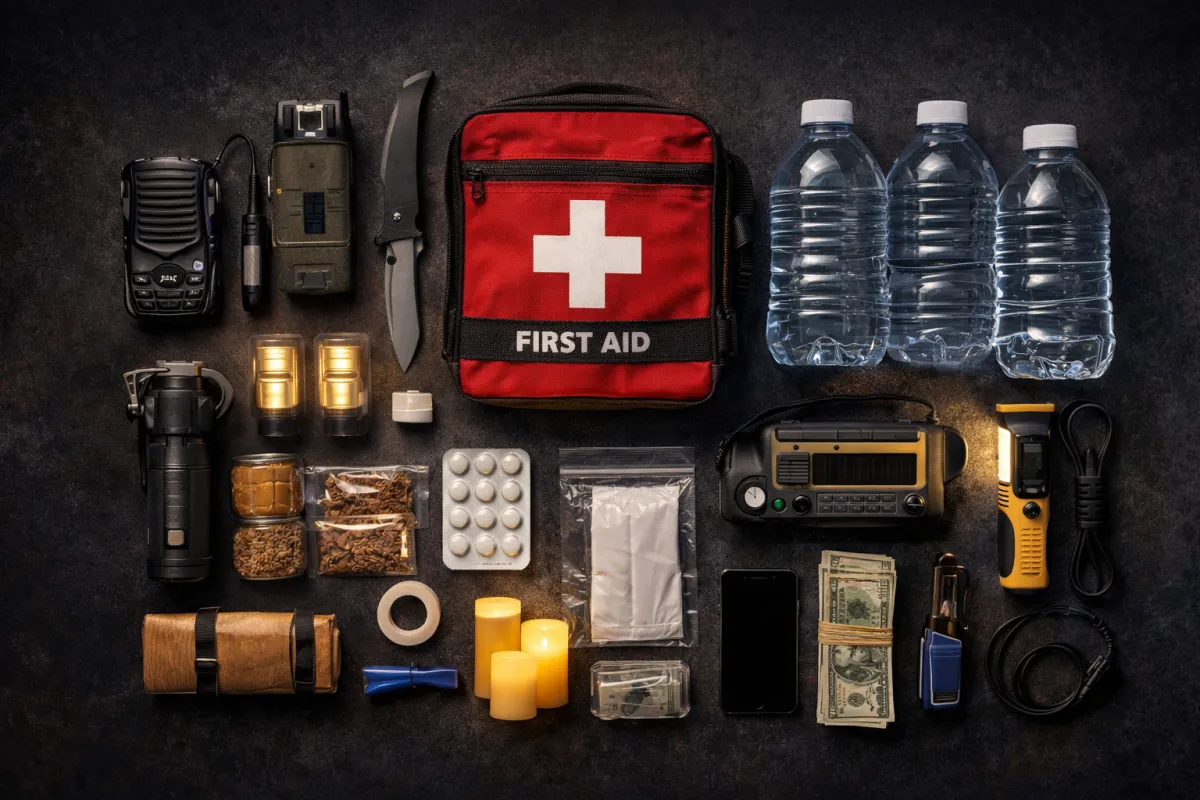
The foundation of preparedness is a 72-hour kit — enough supplies to keep your family safe for three full days without outside help.
Every kit should cover:
Water — 1 gallon per person per day
Food — non-perishable, easy to prepare
First aid supplies
Flashlights and batteries
Communication tools
Documents and cash
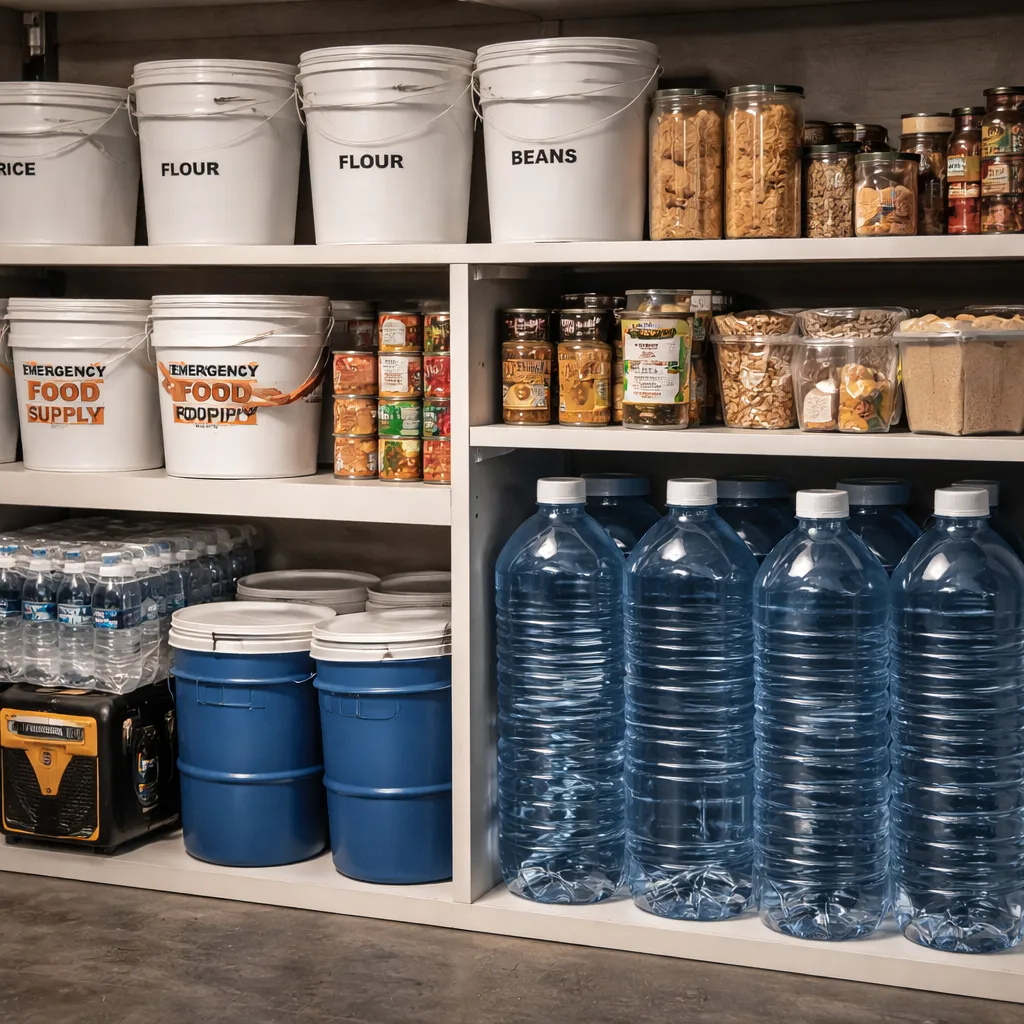
Food & Water Storage
Long-term food and water storage is the next step beyond a basic kit. Learn how to store supplies safely and build a reserve that could last weeks or months.
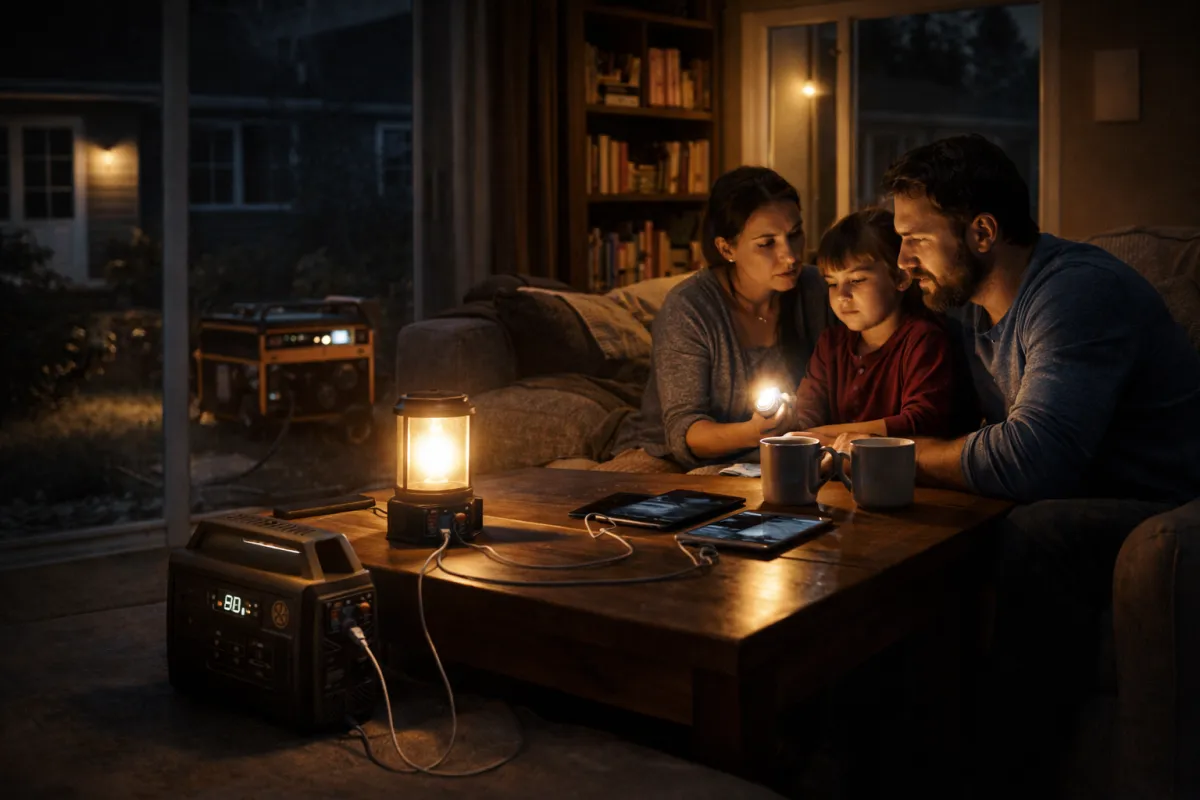
Prepare Your Home
Power Outages
One of the most common emergencies. Learn how to keep your home functional when the power goes out.
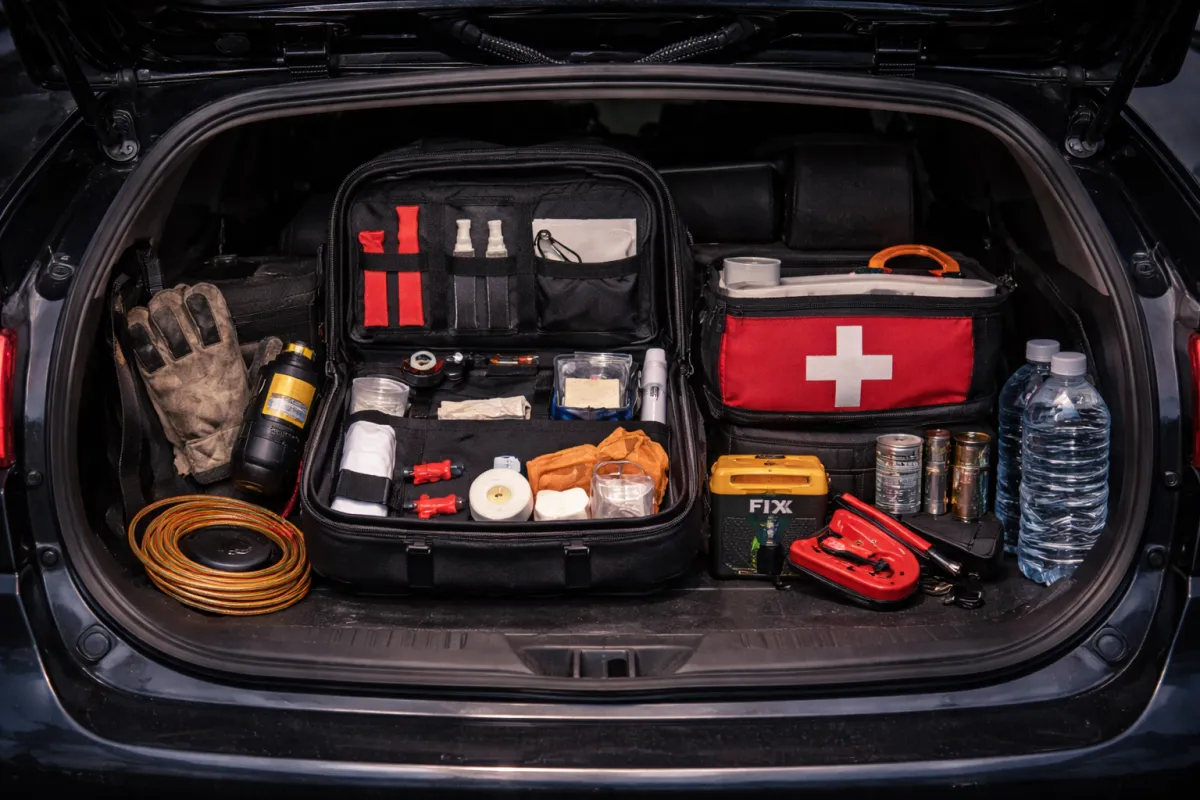
Your Car Emergency Kit
Emergencies don't only happen at home. Make sure your vehicle is stocked and ready.
First Aid Preparedness
Medical emergencies can happen anywhere. Make sure your first aid kit is complete and ready.
You can't predict emergencies. But you can be ready for them. Start building your preparedness plan today.


